GLP-1 for Women: How to Support Strength, Nutrition, and Metabolic Health
GLP-1 medications, including semaglutide and tirzepatide, influence appetite regulation, digestion speed, and blood sugar control. For many women, this results in reduced hunger and lower overall food intake, which can support metabolic health and weight-related outcomes.
Because these shifts affect how much and how often you eat, it becomes important to understand the key lifestyle areas that help support the body during GLP-1 use.
This article provides a brief overview of three foundational pillars:
Strength training to support muscle retention and metabolic health
Nutrition strategies, including protein and fiber intake, to help meet nutrient needs despite reduced appetite
Hydration to support digestion, energy, and overall physiological function
Each of these topics will be explored in greater depth in future articles. The goal here is to provide a clear starting framework for how these pieces fit together during GLP-1 use.
I coach from a weight-neutral, health-promoting behaviors lens, with a focus on strength, energy, metabolic health, and sustainable habits rather than weight as the sole marker of success. At the same time, I respect autonomy in health decision-making. GLP-1 medications can be an appropriate and effective tool for individuals seeking to improve overall health, including but not limited to changes in body weight.
My experience working in a health and wellness role within an endocrinology setting has also provided a clinical perspective on how these medications function across a range of outcomes. While weight changes often occur, the broader goal of this discussion is to focus on the systems that support health before, during, and beyond medication use.

What are GLP-1 medications?
GLP-1–based medications are a group of prescription drugs that help regulate blood sugar, appetite, and digestion. They are commonly used in the treatment of type 2 diabetes and for weight management.
Some of the most well-known medications in this category include semaglutide (such as Wegovy and Ozempic) and tirzepatide (such as Mounjaro and Zepbound). These are typically administered as injections, most often on a weekly schedule.
There are also oral options available. Semaglutide is available in a daily tablet form (Rybelsus), which must be taken under specific conditions to support absorption, including taking it on an empty stomach with water and waiting before eating or drinking anything else.
More recently, a new oral GLP-1 medication, Foundayo™ (orforglipron), has been approved by the FDA for weight management. Unlike earlier oral formulations, it does not require fasting conditions or specific timing around meals, making it a more flexible once-daily option.
While these medications are often grouped together, they are not identical in how they work. Semaglutide acts by mimicking a natural hormone called GLP-1. Tirzepatide works on GLP-1 as well as a second related metabolic pathway involved in insulin regulation and metabolism.
How GLP-1-Based Medications Work
Despite differences between medications, they generally support metabolic health in similar ways:
Help regulate blood sugar levels after meals
Reduce appetite and food cravings
Slow digestion, which increases fullness after eating
Influence hunger signaling in the brain
These combined effects often lead to reduced food intake and changes in eating patterns, which can support weight loss and improvements in metabolic health.
Why This Matters
Because these medications reduce appetite and change hunger cues, they can unintentionally affect:
how much protein you eat
how consistently you eat across the day
muscle maintenance during weight loss
energy levels and recovery from exercise
This is why lifestyle behaviors still matter significantly during use.
Key Takeaway
GLP-1–based medications can support meaningful metabolic changes, but they do not replace the need for structured nutrition, resistance training, and consistent daily habits.
The Importance of Strength Training

GLP-1 medications can support changes in body composition, but they do not distinguish between fat mass and lean mass. Without resistance training, some of the weight lost may come from lean tissue.
Strength training plays a critical role in preserving lean mass, maintaining metabolic function, and supporting long-term health outcomes.
Benefits of strength training
Preserves lean muscle mass and reduces age-related muscle loss
Supports resting metabolic rate through maintenance of metabolically active tissue
Improves bone density and reduces risk of osteopenia and osteoporosis
Enhances insulin sensitivity and glucose uptake in skeletal muscle
Supports mood, energy, and overall physical function
Research in postmenopausal populations consistently shows that resistance training improves bone mineral density, strength, and functional capacity, reducing fall and fracture risk. It’s never too late to start.
The Role of Nutrition on GLP-1 (Protein, Fiber, Hydration)
GLP-1 medications often reduce appetite and change natural hunger cues. Because of this, nutrition becomes less about rigid targets and more about ensuring consistent intake across a flexible range that supports energy, recovery, and metabolic function.
Instead of aiming for perfection or identical daily intake, the focus is on meeting consistent ranges over time, adjusted for appetite, training, and daily variability.
Protein: Supporting Lean Mass and Recovery
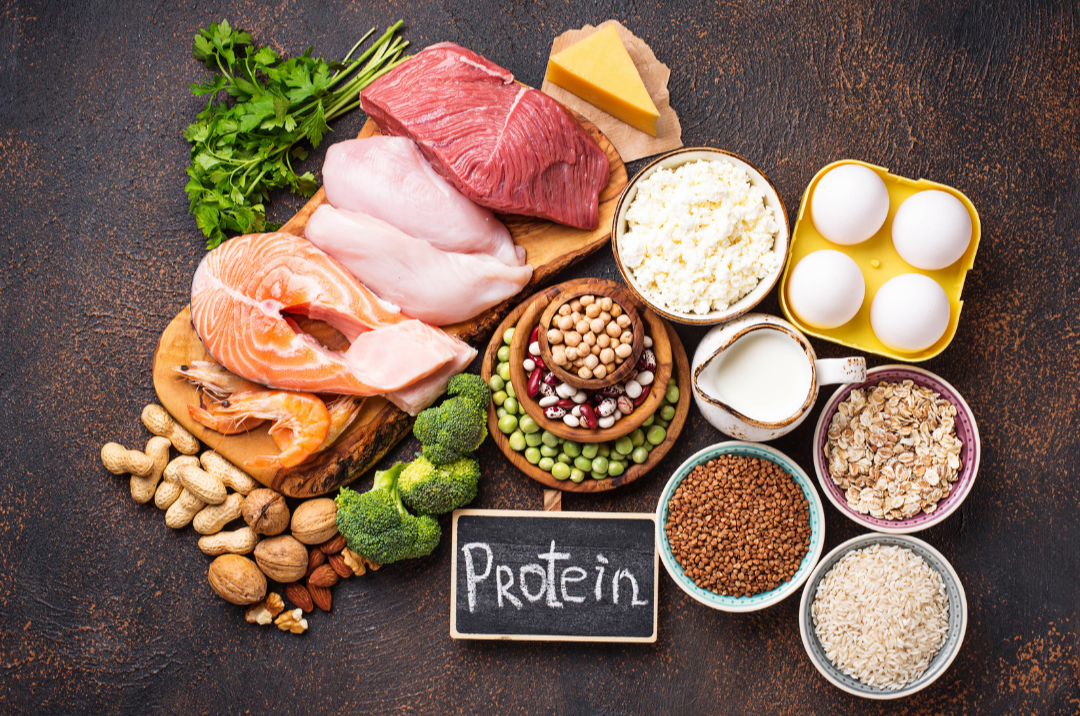
Protein is essential for maintaining lean mass, particularly during periods of reduced energy intake or appetite suppression.
It supports:
Muscle protein synthesis and repair
Satiety and appetite regulation
Lean mass preservation during weight loss
Recommended intake
Protein needs vary based on body size, activity level, and training demands.
Minimum baseline (RDA): ~0.8 g/kg/day
(Minimum needed to prevent deficiency)Research-supported range: ~1.2 to 1.6 g/kg/day
(depending on daily activity, training, recovery, and goals)
Example (flexible range in real life) for a 175 lb (79 kg) woman:
~63 g/day (minimum baseline)
~95–125 g/day (typical active range)
This does not mean hitting the same number every day or aiming for extreme targets like “1 gram per pound.”
Instead, it reflects a range to move within over time, with flexibility based on appetite and daily capacity.
Practical strategies
Aim for protein at each eating occasion
Adjust portions up or down based on appetite
Focus on consistency across the week, not precision daily tracking
Fiber: Supporting Digestion and Satiety

Fiber needs are also best approached as a range rather than a strict daily target, especially when appetite and intake vary.
General target range: ~25 to 35 g/day for most women
(adjust based on tolerance, digestion, and total food intake)
GLP-1 medications can slow digestion, which makes fiber especially important, but also sometimes harder to tolerate in large amounts. This is why flexibility matters.
Practical strategies
Include fiber across meals rather than concentrating it in one sitting
Prioritize a mix of soluble and insoluble fiber sources
Adjust intake up or down based on digestive comfort and appetite
The goal is not maximizing fiber daily, but maintaining steady intake patterns that support digestion without discomfort.
Hydration: Supporting Energy, Digestion, and Regulation

Hydration becomes especially important during GLP-1 use due to reduced appetite, slower gastric emptying, and changes in overall intake patterns that can unintentionally reduce fluid consumption.
Why hydration matters
Supports digestion and helps reduce constipation risk
Supports metabolic and cellular function
Maintains cognitive performance and energy levels
Supports appetite regulation and helps differentiate thirst from hunger
Hydration targets
A general range for most women is approximately 2.0 to 3.0 liters of fluids per day, with higher needs depending on activity level, climate, and dietary composition.
Practical strategies
Begin the day with a glass of water
Pair fluids consistently with meals and snacks
Use a refillable bottle as a visual cue throughout the day
Consider electrolytes if intake is low or symptoms such as fatigue, headaches, or dizziness are present
Hydration is a foundational input for digestion, performance, and metabolic regulation.
The Importance of Consistent Meals

GLP-1 medications often reduce hunger cues and delay the return of appetite, which can unintentionally lead to under-eating or long gaps between meals. While this may support weight-related changes, it can also make it more difficult to consistently meet protein and nutrient needs.
The Importance of Consistent Meals: these meals do not need to be large, strict, or highly structured. They can be small, but they do need to be consistent enough to support steady energy, adequate protein distribution, and reduced likelihood of under-fueling when appetite is suppressed.
Why consistency matters
Supports stable blood glucose regulation across the day
Ensures adequate protein intake despite reduced appetite
Maintains energy availability for training and daily function
Reduces risk of unintentionally prolonged under-fueling
Practical strategies
Anchor meals around protein first, even in smaller portions
Use a flexible structure such as 2 to 3 meals plus 1 to 2 snacks
Build repeatable “default meals” for low-appetite days
Avoid skipping meals entirely, even when hunger cues are minimal
Holistic Approach to GLP-1 Weight Loss and Metabolic Health
GLP-1 medications are most effective when integrated into a broader lifestyle framework that supports lean mass preservation, metabolic health, and sustainable behavior change.
Key pillars include:
Strength training
Adequate protein intake
Fiber-rich foods
Hydration
Consistent meals
These behaviors work together to support both physiological health and long-term behavioral sustainability.
The challenge for most people is not understanding these principles, but consistently applying them in a way that fits into real life, especially when appetite cues, routines, and energy levels are shifting.
This is where structure becomes the differentiator.
Turning Knowledge Into a Sustainable System
GLP-1 medications can be an effective tool for supporting metabolic health, appetite regulation, and changes in body composition. However, long-term outcomes are not determined by the medication alone. They are shaped by the behaviors that surround it.
Strength training, adequate protein intake, fiber-rich nutrition, consistent meals, and hydration all play a critical role in preserving lean mass, supporting energy, and maintaining overall physiological function during periods of reduced appetite and energy intake.
The challenge for most people is not understanding these principles, but consistently applying them in a way that fits into real life, especially when appetite cues, routines, and energy levels are shifting.
This is where structure becomes the differentiator.

Anchor Strength Collective (ASC) is designed to bridge that gap between knowing what supports health and actually implementing it in a sustainable way. It provides a structured training and nutrition system that removes decision fatigue and supports consistency across the core behaviors outlined in this article.
Rather than relying on daily motivation or constantly recalibrating what to do next, ASC organizes these fundamentals into a repeatable framework that can adapt to changes in appetite, schedule, and lifestyle demands, including during GLP-1 use.
The goal is not to add complexity. It is to create enough structure that consistency becomes the default.
If you are looking for a system to support that process, you can learn more about Anchor Strength Collective here: https://jenborrusofitness.com/strength-collective
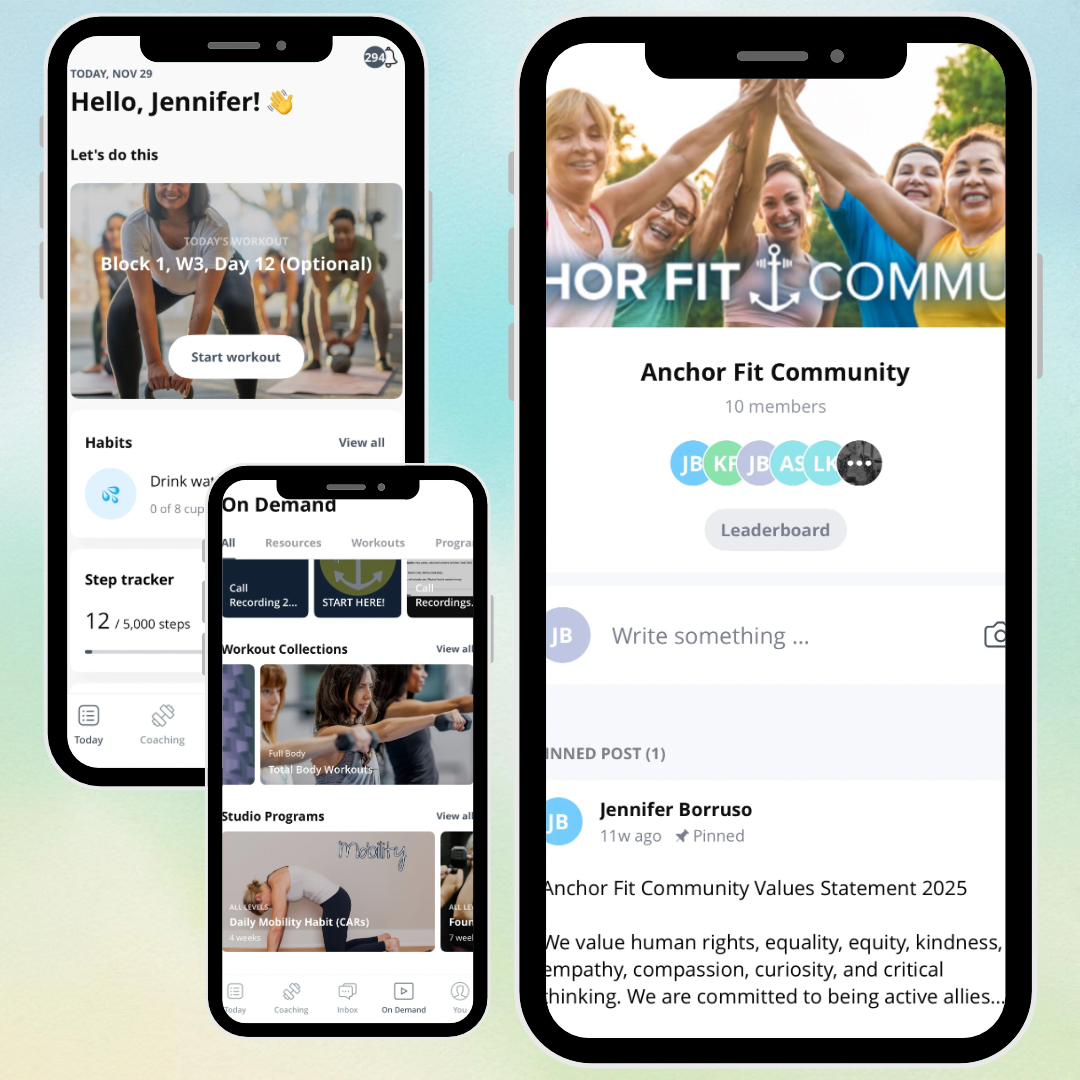
Join the Anchor Fit Community.
All-in-one coaching experience inside the app to keep training simple and organized,
Access your workouts, resources, and community support anytime, anywhere.