Why exercise and healthy habits can feel harder in perimenopause
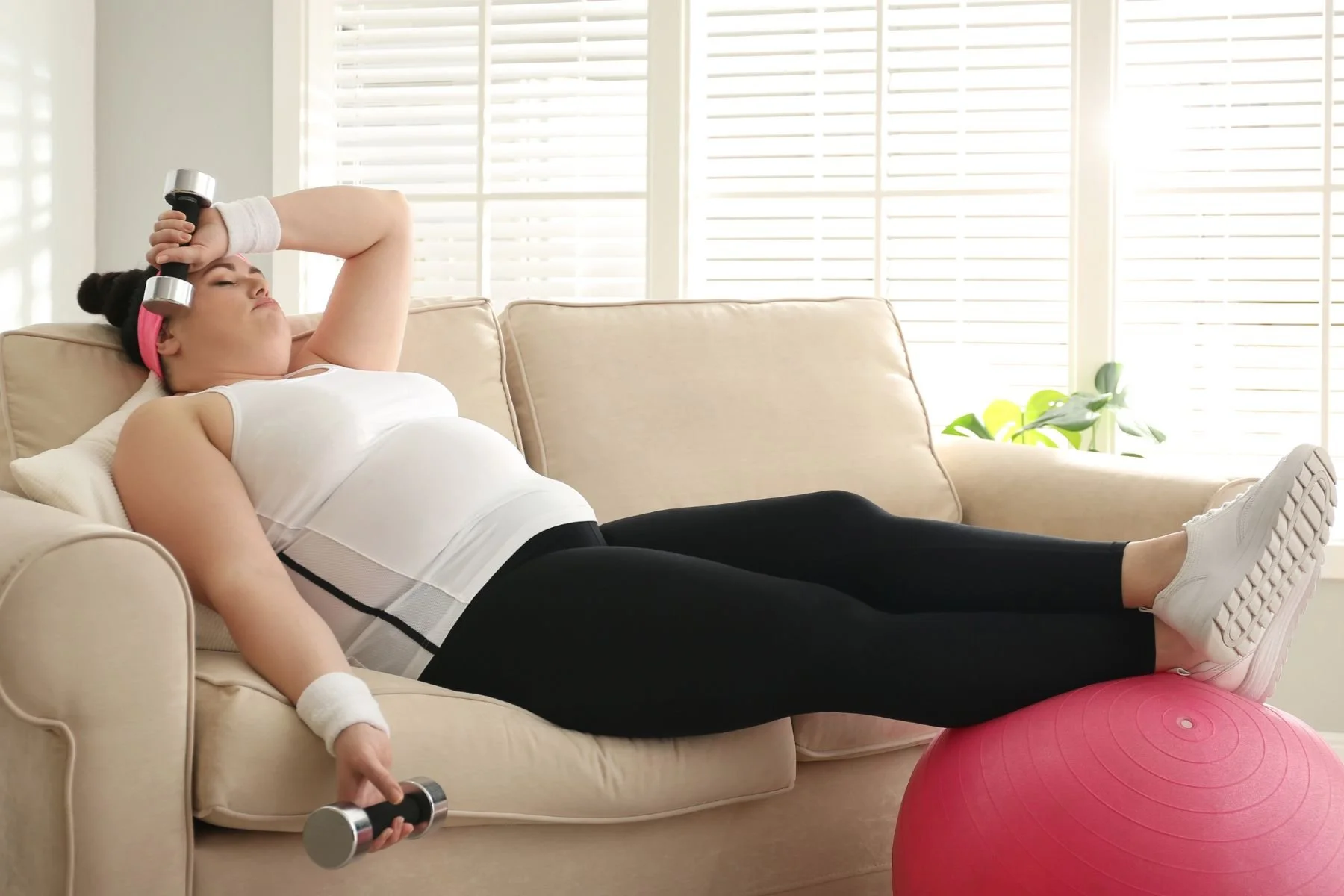
If you have been struggling to stay consistent with exercise, meal planning, or healthy habits, you may have started to blame yourself.
Maybe you have thought:
“I just need more discipline.”
“Why can’t I stay motivated?”
“I used to be so much more consistent.”
But many women in their 40s and beyond are not dealing with a motivation problem.
You are dealing with overload.
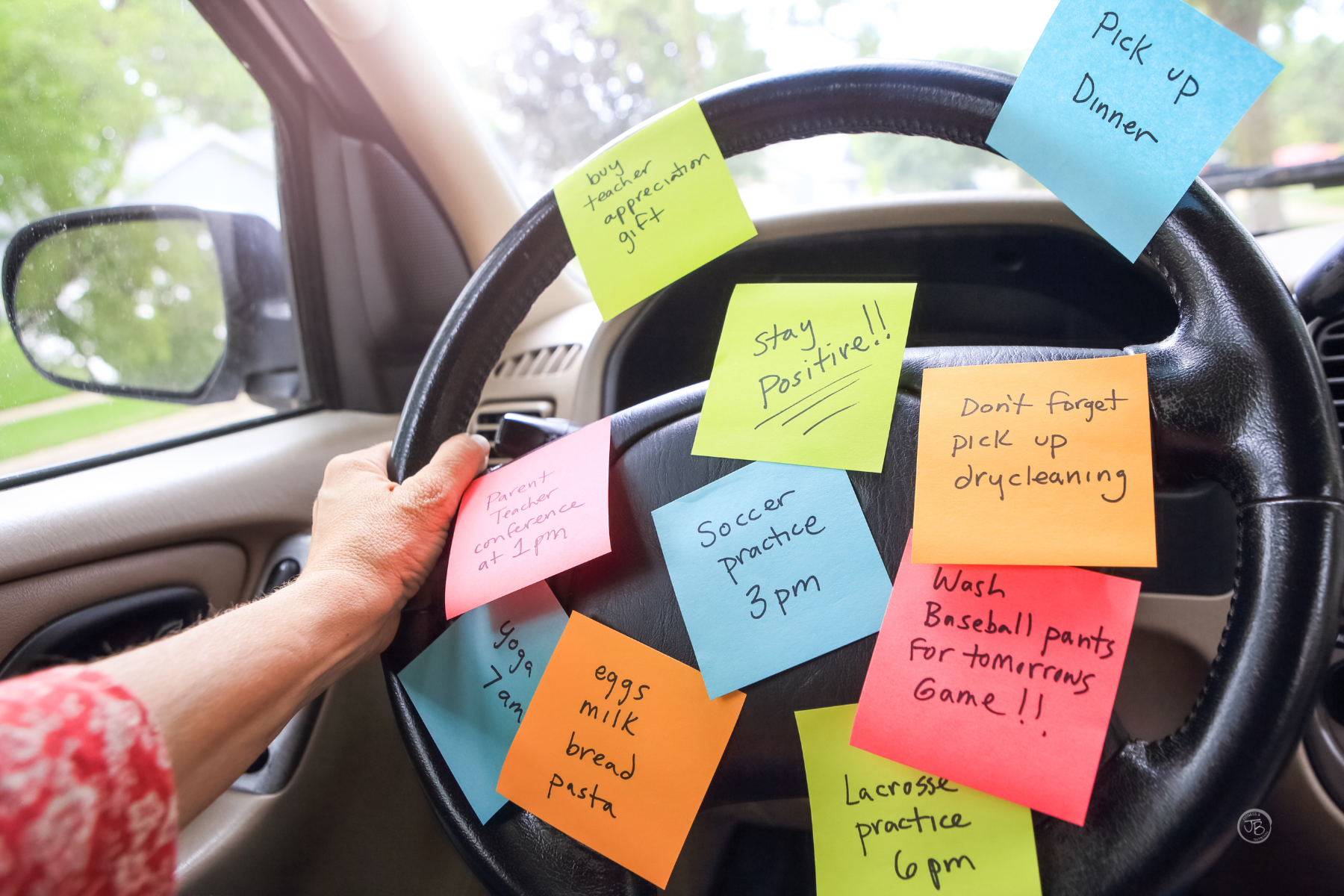
Between work, caregiving, family responsibilities, mental load, stress, constant exposure to wellness content on social media, and hormonal changes, you may be trying to function with very little physical or emotional capacity left over.
You may also be carrying the pressure of feeling like you should be doing more because of what you see online. More supplements. Better routines. More meal prep. More workouts. Better sleep. Better hormone balance. Better stress management.
Health can start to feel less like support and more like another impossible standard to meet.
That is not laziness.
That is exhaustion.
The invisible load you carry
A lot of health advice ignores the reality of modern life.
You may be managing:
full-time work
caregiving for children or aging parents
household responsibilities
emotional labor in relationships
planning meals, schedules, appointments, and daily logistics
Even when you are sitting still, your brain may still be working constantly.
This invisible labor uses real energy.
By the end of the day, it can feel impossible to think about workouts, meal prep, or one more decision.
That does not mean you do not care about your health.
It means your system may already be overloaded.
There is also a common message online that “we all have the same 24 hours in a day.” While this is technically true in a simple sense, it does not account for the reality that those hours are not experienced equally.
Time is not just hours on a clock. It is also responsibility, emotional labor, cognitive load, and the number of roles you are holding at once.
When this framing is used without context, it can unintentionally create guilt or shame, making you feel like if you are struggling to add exercise, meal prep, or self-care, you must not be managing your time well enough. In reality, it is rarely about effort or discipline. It is usually about your current capacity not matching the expectations being placed on you.
Social media has made health feel like a full-time job
On top of daily responsibilities, you are also exposed to constant and conflicting health information online.
Every day you may see messages about:
cortisol
insulin
inflammation
metabolism
fasting
hormone balancing
gut health
supplements
workouts that are “best” or “wrong”
Much of this information is oversimplified, contradictory, or designed to create fear so a solution can be sold.
You may also feel pressure from what you see other women doing online. It can look like they have figured it out. More structure. More discipline. More optimization.
It can start to feel like there is always one more thing you are missing.
But many of these “solutions” are not true solutions. They are marketing strategies that use real pain points to sell a product or system. This can include MLM products, affiliate links, or branded supplement lines. A complex, layered experience is often reduced into a simple fix, and urgency or fear is used to make that fix feel necessary.
The result is not clarity. It is more pressure, more comparison, and more self-doubt.
It can lead you to constantly question:
Am I doing this right?
Should I be doing more?
Why does everyone else seem to have this figured out?
Over time, social media does not just add information. It adds noise, pressure, and emotional fatigue.
And that becomes part of the load you are carrying.
Decision fatigue is real
Every decision you make throughout your day takes mental energy.
What to answer first.
What to cook.
Who needs something from you.
What got forgotten.
What still needs to be done.
Now add health decisions on top of that:
Which workout is best
What foods are “good” or “bad”
Which advice online is actually accurate
Whether you are doing enough
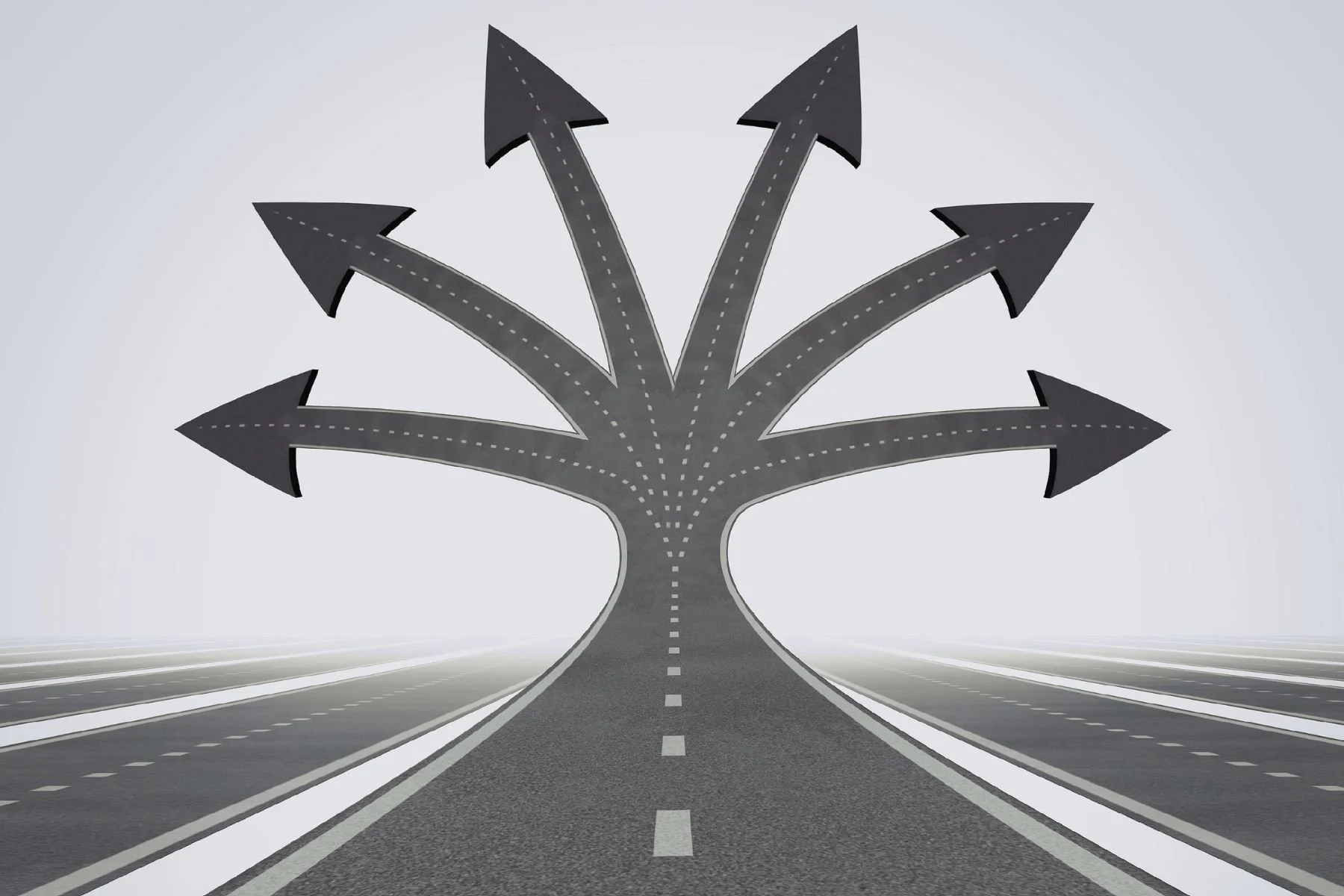
When you are faced with too many choices and conflicting information, it can become harder to take action at all.
This is decision fatigue.
Perimenopause can change your energy and recovery
Hormonal changes during perimenopause and menopause can also affect:
sleep quality
recovery from exercise
stress tolerance
energy levels
mood and focus
This does not mean your body is broken.
But it may mean your margin for stress, complexity, and pushing through is smaller than it used to be.
When your life is already full, these changes can make consistency feel significantly harder.

Why consistency feels so difficult
Many fitness and nutrition programs are designed for people with:
predictable schedules
low stress
high energy availability
minimal caregiving demands
strong support systems
That is not your reality.
So when consistency breaks down, it is a mismatch often between expectations and your actual capacity.
Not a character flaw.
What helps instead
Instead of asking:
“How do I become more disciplined? More motivated?”
Try asking:
“What would support my health with the capacity I actually have right now?”
That might look like:
shorter workouts that still matter
walking instead of all-or-nothing exercise
repeating simple meals to reduce daily decisions
strength training two days per week instead of five
focusing on consistency over perfection
simplifying instead of optimizing
Small, repeatable actions are often more effective than complex plans.
How coaching can help when everything feels overwhelming
One of the biggest misconceptions about coaching is that it is about pushing harder or holding you accountable through pressure.
That approach does not work well when you are already overloaded.
Good coaching should feel supportive, collaborative, and realistic.
Especially in midlife.
A coach can help you:
simplify the noise and reduce overwhelm
filter out fear-based or conflicting social media advice
focus on what actually matters for your goals
build flexible, realistic routines
adjust plans when life becomes busy or stressful
approach barriers with curiosity instead of judgment
Real accountability is not punishment. It is support with direction.
It means having someone in your corner helping you stay connected to your goals while respecting your capacity, stress, and autonomy.
You are still in charge of your decisions. A coach is there to guide, not control.

My approach to coaching
I work with you from a place of compassion, curiosity, and realism.
That means:
no guilt for being busy or overwhelmed
no perfection-based expectations
no fear-based messaging about food, hormones, or exercise
no pressure to follow trends you see online
Instead, the focus is on sustainable health practices that fit your actual life.
Together, you look at:
what is realistically doable right now
where stress and friction are highest
how to make movement and nutrition simpler
how to support strength, energy, and health without adding overwhelm
You are the expert on your life and your body.
My role is to help you cut through noise, create clarity, and build something that actually works in your real world.
Because you do not need more shame.
You need support that reflects your actual capacity.
You are not the problem
You may feel like you are failing because you cannot keep up with wellness advice online.
But most of what you see on social media does not reflect real life. It does not account for stress, caregiving, burnout, mental load, hormonal changes, or limited time and energy. It also often adds pressure by implying there is always another thing you should be doing to finally feel well.
More supplements. More structure. More optimization. More discipline.
When you are already at capacity, that message does not create clarity. It creates overwhelm.
Your struggle is not a sign that you are lazy or undisciplined.
It is information.
It is showing you that your current load is heavy, your expectations are high, and the systems around you may not be supporting your actual capacity.
Which is exactly why health often starts to feel less like support and more like another impossible standard to meet.
That is not laziness.
That is exhaustion.